Sports Massage vs Physiotherapy
What’s the Difference and Which Do You Need?
Two Disciplines, One Goal: Better Movement
Sports massage and physiotherapy are often compared, but they’re not competing services — they’re complementary. Physiotherapists diagnose and treat injuries. Sports massage focuses on preventing those injuries by improving tissue health, mobility and recovery. When used together, they create a complete approach to performance, resilience and long‑term physical wellbeing.
What Physiotherapists Do
Physiotherapists specialise in clinical assessment, diagnosis and rehabilitation. They treat acute injuries, chronic pain, post‑surgical recovery and structural dysfunction. Their work is essential when something has gone wrong — a tear, strain, sprain, overload or movement impairment that requires targeted rehabilitation.
What Sports Massage Therapists Do
Sports massage works before injury happens. It supports the body between training sessions, reduces fatigue, improves flexibility and maintains tissue quality. By keeping muscles compliant and mobile, sports massage helps prevent the very issues that often lead people to physiotherapy in the first place.
A Focus on Recovery and Performance
Sports massage is built around recovery cycles. Regular treatment helps:
-
reduce muscle tension
-
improve circulation
-
speed up post‑training recovery
-
increase flexibility
-
support better movement patterns
-
prevent overload and dysfunction
Flexibility is one of the most overlooked components of conditioning. Without it, strength and performance plateau. With it, the body moves efficiently, absorbs load better and stays injury‑resistant.
Why Sports Massage Matters Between Training Sessions
Most athletes and active individuals only seek help once something hurts. Sports massage flips that mindset. By working between sessions — not only after injuries — we keep tissue healthy, responsive and ready for load. This reduces the risk of strains, compensations and movement breakdowns.
Strengthening Tissue and Improving Muscle Compliance
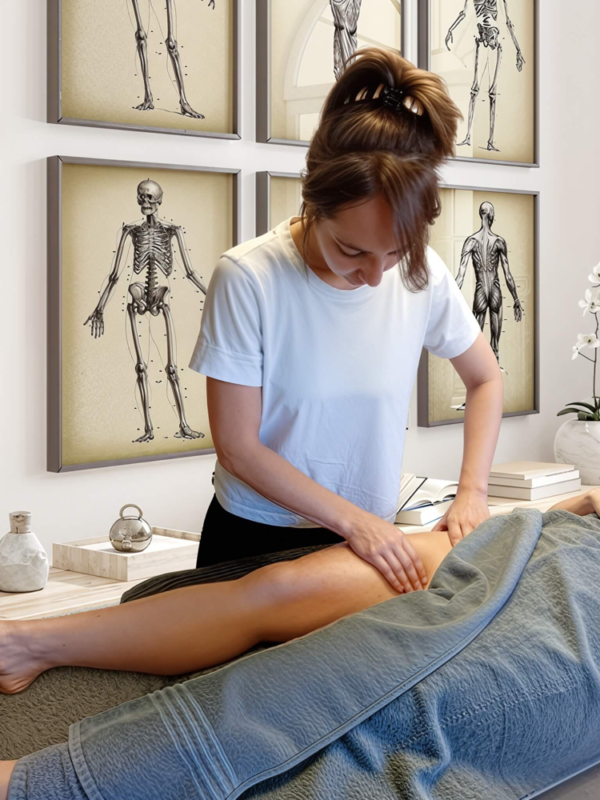
Healthy tissue is strong, elastic and responsive. Sports massage improves muscle compliance, reduces adhesions and restores glide between layers of fascia and muscle. This leads to smoother movement, better range of motion and reduced injury risk.
Preventing Dysfunction Before It Starts
Many injuries begin as small dysfunctions: tightness, restricted movement, poor recovery, or compensations that build over time. Sports massage identifies and corrects these early signs. By improving mobility and refining movement patterns, we help you avoid the kind of breakdowns that eventually require physiotherapy.
So Which One Do You Need?
If you’re injured, you can often see either a physiotherapist or a sports massage therapist—depending on the type and severity of the issue.
-
Physiotherapy is ideal when you need diagnosis, rehab planning, or when there may be structural damage, joint involvement or complex injury patterns.
-
Sports massage is highly effective for many soft‑tissue injuries, overload, tightness, niggles, and movement‑related discomfort, especially when you’re still training or returning to activity.
In many cases, the best approach is collaborative: physiotherapy to assess and guide rehab, and sports massage to support tissue quality, recovery and ongoing load management.
The Bottom Line
Sports massage and physiotherapy are complementary, not competitive. Physiotherapy focuses on diagnosis and structured rehabilitation. Sports massage focuses on tissue health, recovery, mobility and performance—both before and after injury. Used together or individually, the right choice depends on your body, your goals and the nature of your pain or limitation.